Betblast Payment Methods: Deposits, Cards, Bank Transfers and Crypto
 Available in GB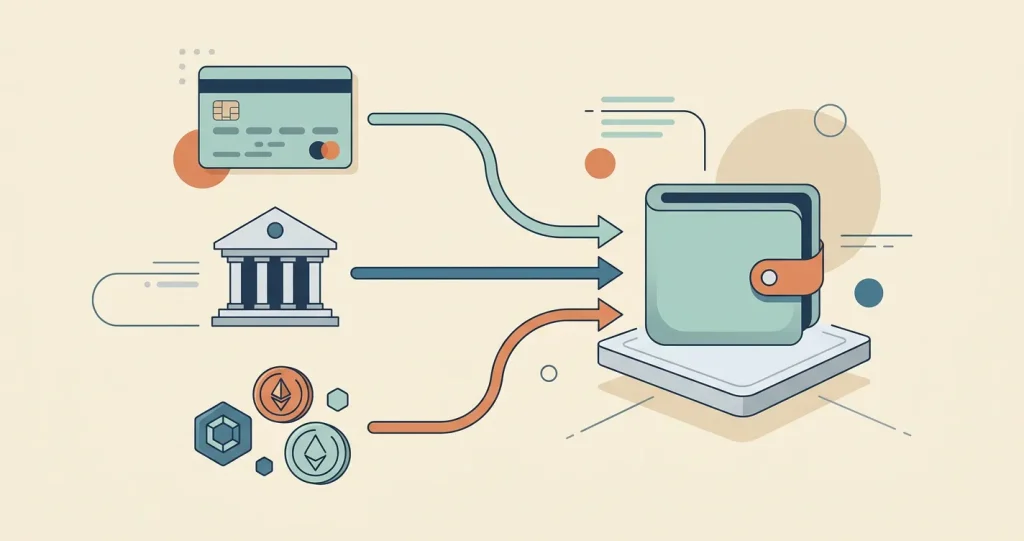
Table of Contents
- Payments guide – updated 13 September 2026
- Three different questions sit behind a Betblast payment list
- Visa and Mastercard describe card networks, not a guaranteed UK card route
- Bank transfer is confirmed, but the route matters at withdrawal time
- Crypto is a genuine Betblast feature, not a shortcut around local rules
- A practical pre-deposit checklist
- Fees and limits should be read from the live cashier
- UK payment habits are useful context, not a Betblast cashier list
- Think about the withdrawal route before choosing a deposit method
- How Betblast payments line up with UK banking habits
- Betblast Payment Methods: Deposits, Cards, Bank Transfers and Crypto
Payments guide – updated 13 September 2026
Betblast supports Visa, Mastercard, bank transfer and cryptocurrency as payment categories at brand level. A particular UK account may not see every route, and a British user should not assume the cashier or account balance will be denominated in pounds. Before depositing, confirm the account currency, the methods visible in the live cashier, the withdrawal route connected to the method, and any fees, limits or verification notices displayed for the account.
Three different questions sit behind a Betblast payment list
A payment-method page can become misleading when it treats a global brand capability as a country-specific guarantee. Betblast is consistently associated with Visa, Mastercard, bank transfer and multiple cryptocurrencies, but current UK account availability is a separate question. UK casino users also commonly encounter debit cards, e-wallets, bank transfer and mobile wallets across the wider market, yet a popular UK method is not automatically a Betblast method.
| Layer | What can be said | What still needs checking |
|---|---|---|
| Betblast brand capability | Visa, Mastercard, bank transfer and cryptocurrency are supported payment categories. | The exact method list shown to one account can depend on location, account status and cashier configuration. |
| UK market habits | Debit cards, e-wallets, bank transfers and mobile wallets are common categories in current UK casino coverage. | Market popularity does not prove that Betblast offers the same option to a UK user. |
| Live cashier | The account cashier is the place that determines what can actually be selected at that moment. | GBP support, method-specific limits, fees and withdrawal compatibility should be read there before money is sent. |
Betblast’s wider UK access status is separate from the payment logos associated with the brand. A supported payment category cannot by itself show whether a particular UK account can be opened or funded.
Visa and Mastercard describe card networks, not a guaranteed UK card route
Visa and Mastercard are among the confirmed Betblast deposit categories. The network name alone does not tell you whether a card is debit, credit or another eligible product, and it does not prove that the card will be offered in a UK-facing cashier. That is why a simple “Visa accepted” label is less informative than it first appears.
For consumers in Great Britain, there is an additional regulatory point. UK Gambling Commission licence condition 6.1.2 prohibits its licensees from accepting credit-card payments for gambling, including credit-card payments routed through a money service business. The Commission’s current guidance also tells operators to ensure that e-wallet routes do not allow credit-card funds to be used for gambling. This is a rule for GB licensees. It should not be turned into a claim that Betblast itself is UKGC-licensed or that a particular Betblast cashier has been tested for compliance.
UK reader check: if a card option is visible, identify the actual card type and read the live cashier conditions. Do not infer that “Mastercard” or “Visa” means a credit card can be used for gambling in Great Britain.
Bank transfer is confirmed, but the route matters at withdrawal time
Bank transfer is also part of Betblast’s confirmed payment mix. It is a familiar category and is common across UK online-casino payment coverage, but that still leaves practical questions for an individual account: which banking rail is presented, which currency is used, whether the account holder name must match, and whether the same route is available for withdrawals.
The important comparison is not simply “card versus bank transfer”. It is deposit route versus eventual cashout route. Some casino payment setups do not return funds through every method used for depositing, and the page displayed at deposit time may not tell the whole withdrawal story. Before committing funds, open the withdrawal section as well and confirm whether the method you expect to use is actually listed.
The separate Betblast withdrawals guide focuses on that cashout preparation, including verification, method compatibility and the questions to ask before requesting a payout.
Crypto is a genuine Betblast feature, not a shortcut around local rules
Betblast supports multiple cryptocurrencies, and current independent payment directories consistently show crypto as a significant part of the brand’s payment profile. That makes crypto a real product feature rather than a decorative extra. It can also change the practical payment flow because blockchain transfers do not behave like card or bank transactions.
Crypto should not, however, be framed as a workaround for location, licensing or account-eligibility questions. The payment rail does not change who is permitted to register, what protections apply, or whether a cashier is offered to a specific account. A reader who is unsure about the broader position should resolve the Betblast UK status first rather than treating a wallet address as a substitute for an access decision.
There is also a currency question. A crypto deposit can create exchange-rate exposure if the casino account is denominated differently from the asset being sent. UK readers should confirm the displayed account currency, conversion basis and withdrawal currency before transferring value rather than assuming a pound-denominated cashier.
A practical pre-deposit checklist
The best way to use a payment-method list is as a starting point, then verify the live account details before sending funds. The following checks reduce the chance of discovering a problem only when you try to withdraw.
- Account currency: confirm the displayed wallet currency and do not assume GBP is supported because the reader is in the UK.
- Deposit method: check that the intended card, bank or crypto route is actually selectable in the live cashier.
- Withdrawal path: look at the cashout menu before depositing and note whether the expected withdrawal method is listed.
- Fees and limits: use the values displayed in the current cashier or terms rather than numbers copied from an older review.
- Verification: Betblast uses KYC, so account verification can become relevant before money leaves the account. KYC verification explains account consistency, identity requests and withdrawal readiness.
- Bonus state: if a promotion is active, check whether wagering or other live terms affect the balance before making a withdrawal. See the Betblast welcome bonus guide for a terms-first approach.
Fees and limits should be read from the live cashier
Exact fees, payout limits and processing times can change by account and method. Read the live Betblast cashier and the terms shown beside the selected payment route before depositing or withdrawing.
A payment method can remain available while its minimum, maximum, fee or processing rule changes. When an exact number matters, use the live cashier or the current operator terms for the account rather than an older static figure.
UK payment habits are useful context, not a Betblast cashier list
Across the UK market, players commonly encounter debit cards, e-wallets, bank transfer and mobile-wallet options such as Apple Pay or Google Pay. That pattern helps explain what a UK reader may expect to look for, but it should not be used to fill gaps in the Betblast cashier. Neither an e-wallet nor a mobile wallet should be listed as a Betblast UK method unless it is actually visible for the account.
This is especially important when a wallet masks the card or account used to fund it. For Great Britain licensees, the credit-card prohibition also reaches payments made through money service businesses, so the underlying funding method matters. That rule is Great Britain regulatory context and does not establish Betblast’s own licence or cashier setup. Check the specific wallet, card type and account terms shown on screen.
If your priority is payment convenience, compare the full journey rather than the deposit button alone: how you fund the account, how you expect to withdraw, whether the currency changes, and what verification may be triggered. The Betblast review places those payment questions alongside games, mobile use and access so a familiar payment logo does not carry more weight than the rest of the decision.
Think about the withdrawal route before choosing a deposit method
A deposit method is easier to judge when you also know how money can leave the account. Before funding Betblast, open the cashier and look at the withdrawal options shown alongside the deposit choices. If the account uses a different currency from the payment method, consider where conversion can occur and which party sets the exchange rate or fee shown to you.
Identity verification can also become relevant before withdrawal, so a familiar deposit logo should not be treated as the whole payment journey. The Betblast withdrawals section covers cashout preparation, while KYC requirements can affect identity checks and account consistency before a payout.
How Betblast payments line up with UK banking habits
Betblast covers familiar payment categories: cards, bank transfer and crypto. UK users are also accustomed to debit cards, e-wallets, bank transfers and mobile-wallet options across the wider market, so the brand-level mix does not look unusual at category level. A common UK method is not automatically available at Betblast, and a pound-denominated cashier should not be assumed. The strongest payment decision therefore comes from checking the live account currency, deposit method, withdrawal route and verification requirements together rather than judging the casino by a row of payment logos.